|
|
||||||||
| |
|
|
|
|
|
|
|
|
| |
||||||||
| |
||||||||
| |
 |
||||||||||||||||||||||||||
| |
 |
||||||||||||||||||||||||||
| |
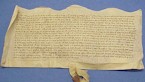
DARTFORD PRIORYDARTFORD'S UNIQUE DOMINICAN NUNNERYOne of the major developments in medieval times was the rapid spread and growth of religious houses, monasteries, abbeys, priories and nunneries, of which there were over a thousand in England. They flourished until the Dissolution enforced by Henry VIII when they were demolished and their lands and properties seized Dartford was the location of England’s only house of Dominican nuns. Dartford Priory has been identified as one of the most important nunneries in medieval and Tudor England in terms of its size, income, and the number of resident nuns and lay sisters. Nothing remains of the priory today, other than sections of the solid stone boundary walls that enclosed the priory site and afforded the nuns the privacy they needed. These walls front onto Priory Road and Victoria Road in Dartford; some sections of wall are of Tudor or nineteenth century date. Dartford Priory was famous as a centre for prayer, contemplation and education. It came under the supervision of King’s Langley Priory in Hertfordshire. The priory attracted women of noble birth; daughters of the aristocracy; close relations of some prominent Carthusian martyrs; and even a royal princess, Bridget, seventh daughter of King Edward IV. Dartford Priory enjoyed royal patronage from its foundation in 1346 until the final Dissolution in 1559. |
||||||||||||||||||||||||||
 |
|||||||||||||||||||||||||||
LAND HOLDINGS AND INCOME ATTACHED TO DARTFORD PRIORYFor more than 180 years, the nuns of Dartford went quietly about their business, performing the daily office and serving God in the community. The prioress of Dartford owned extensive tracts of land, woodland, grazing marsh, chalk quarries, several mills, tenements and inns in North Kent and throughout the county of Kent. Additional properties, lands and church advowsons were held in Bedfordshire, Buckinghamshire, Dorset, Glamorgan, Herefordshire, Hertfordshire, the City of London, Norfolk, Suffolk, Surrey and Wiltshire. Much of the income from these lands and properties was diverted to King’s Langley Priory. Dominican friars from King’s Langley were based at Dartford to ensure that the daily business of the priory was conducted properly. Some of the priory’s income came from donations from individual benefactors, who in return, were permitted to be buried in or close to the priory chapel. In 1452, Agnes, wife of Richard Fagg of Dartford, was buried in the priory cemetery. Richard Bolton of Dartford directed in 1456 that his body was to be buried ‘within the monastery of Dertford’. He bequeathed to the nuns twenty shillings, as well as an additional twelve pence for prayers and masses. Some individuals gave land or property to the priory in exchange for prayers being said for the donor and their family after their decease. |
|||||||||||||||||||||||||||
|
|||||||||||||||||||||||||||
CHARITABLE WORK UNDERTAKEN BY THE NUNSARISTOCRATIC NUNS AT DARTFORD PRIORY
Next topic: Bishop of Rochester's Consistory court at Dartford |
|||||||||||||||||||||||||||
|
|||||||||||||||||||||||||||
 |
|
||||||||||||||||||||||||||